


Fall Stillwater Box — 24-Fly Autumn Selection
Fall Stillwater Box — 24-Fly Autumn Selection
Couldn't load pickup availability
Reviews across our store
252 reviews
Trusted by over 5,000 anglers
Stock availability: In stock
Shipping information
Shipping information
All orders ship via USPS from our shop in the United States.
Free shipping on orders of $65 or more (lower 48 US states).
Tracking is emailed once your order ships, usually within 1–2 business days of purchase.
Expedited shipping is available at checkout for US customers.
International shipping rates are calculated at checkout. Free shipping does not apply outside the US.
Ask a question
Ask a question
Two ways to fish autumn trout lakes, in one focused selection. These 24 flies cover retrieved buggers and leeches, suspended balanced leeches and chironomids, and a scud option. Choose the box or loose refill and follow the included depth-and-retrieve guide.
- 24 flies in 11 disclosed pattern, color, and size combinations.
- Buggers and compact leeches for retrieving through a chosen depth.
- Balanced Leeches and Ice Cream Cone Chironomids for suspended presentations.
- Olive and Gray Scud - Bead Head patterns in #12.
- “Two Ways to Fish This Box: Retrieve or Suspend” instructions.
- Matching loose refill; no fly box included with the refill format.
Autumn lake fishing often comes down to finding a feeding depth and holding a useful presentation there. This box keeps the choices focused on that job. Use the bugger and small-leech selection to cover water, then use the suspended options when you want a fly to stay in one layer longer.
The four Woolly Bugger - Bead Head choices give you dark, light, and natural profiles in #8 and #10. Pine Squirrel Leech - Bead Head patterns offer a smaller #12 alternative. Balanced Leeches are included for an indicator presentation, alongside #16 Ice Cream Cone Chironomids and #12 scuds.
Every included fly is identified in the contents grid. The lesson provides one retrieved rig and one suspended rig, starting measurements, and a practical sequence for changing depth, speed, and location. It also explains when a visible hatch calls for a surface fly outside this subsurface selection.
Choose this 24-fly selection for five fly families, a focused autumn lesson, and a matching refill. The 54-Pack Stillwater Assortment lists nine fly families in a larger subsurface selection. Both include buggers, leeches, chironomids and scuds; this smaller box organizes its exact choices around the two presentations taught below. Neither selection replaces observing the lake, checking current conditions, and adapting your presentation.
The boxed version includes the fly box. The refill contains the same 24 flies without a box. Rod, line, leader, indicator, depth sounder, tippet, and other accessories are not included.
Questions about this selection
How is this different from the 54-Pack Stillwater Assortment? This has 24 flies from five families, an autumn retrieve-or-suspend lesson, and its own loose refill. The 54-pack lists nine families in a larger subsurface assortment. Compare the exact contents; buggers, leeches, chironomids and scuds occur in both.
Is it specifically tested at Strawberry? This product is presented as an autumn trout-lake selection. Any future claim about testing at Strawberry will identify the actual trip or contributor. It is not a current fishing report.
Can I fish it with a floating line? Yes, the starting rigs use a floating line for accessible shallower water. Deep-water presentations may call for different leader arrangements or a sinking line.
Does the box include dry flies? No. It is a focused subsurface selection. If fish are clearly feeding on adult insects at the surface, match that activity with an appropriate dry outside this box.
Can I buy the flies without another box? Yes. Choose the 24-fly refill. You can also replace individual patterns through the refill links.
Exact contents
Both formats contain the same 24 flies. Choose the boxed format for a fly box, or the loose refill if you already have one.
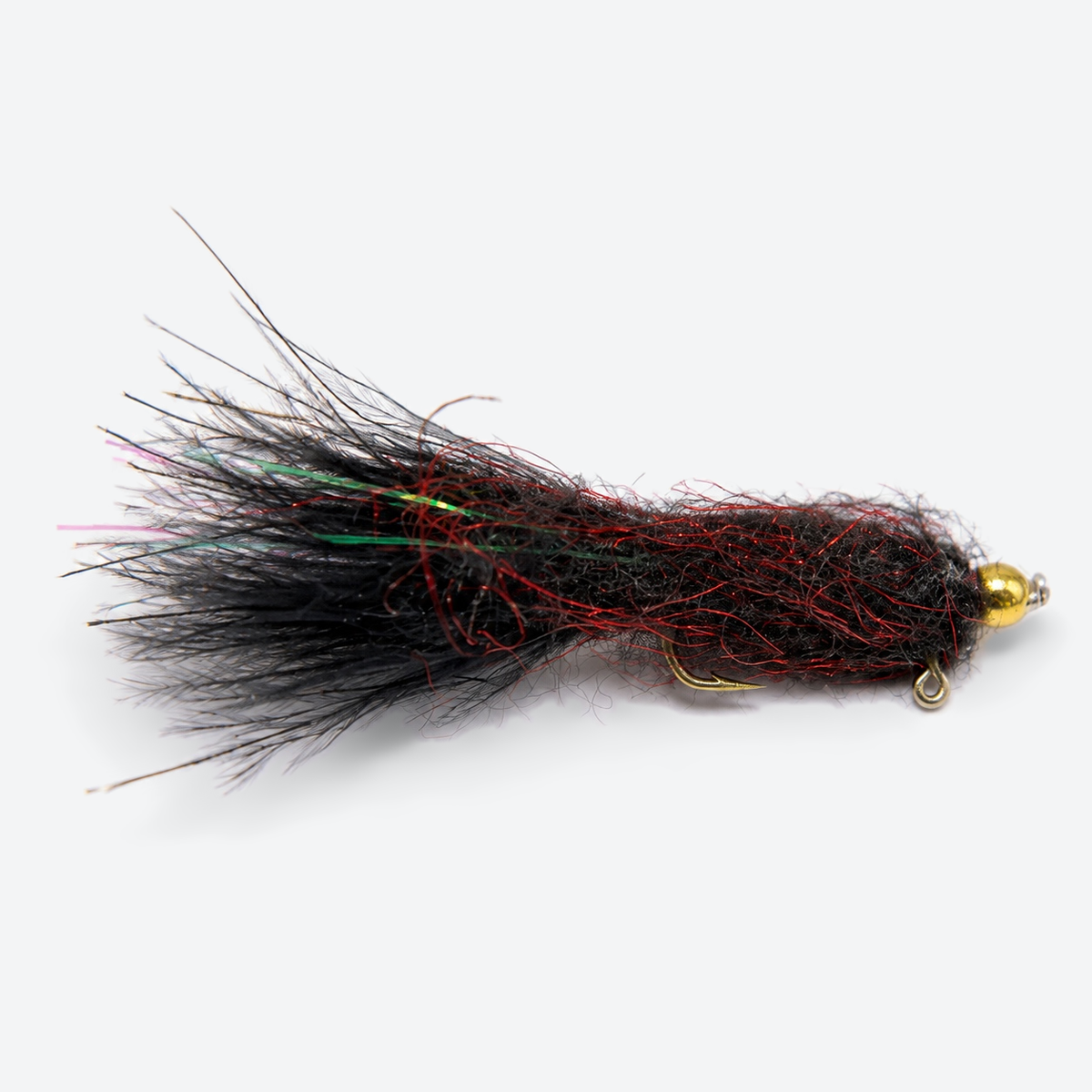
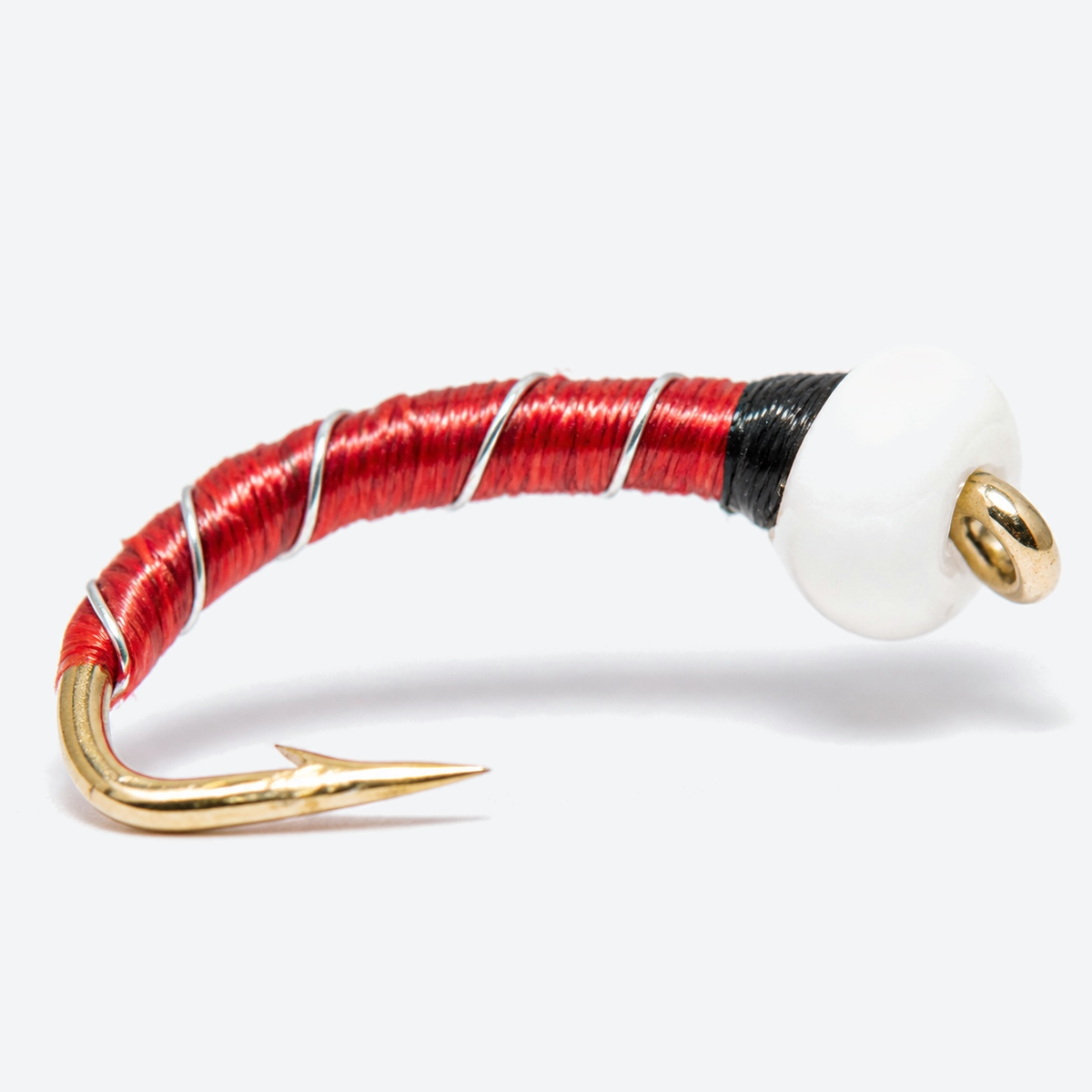
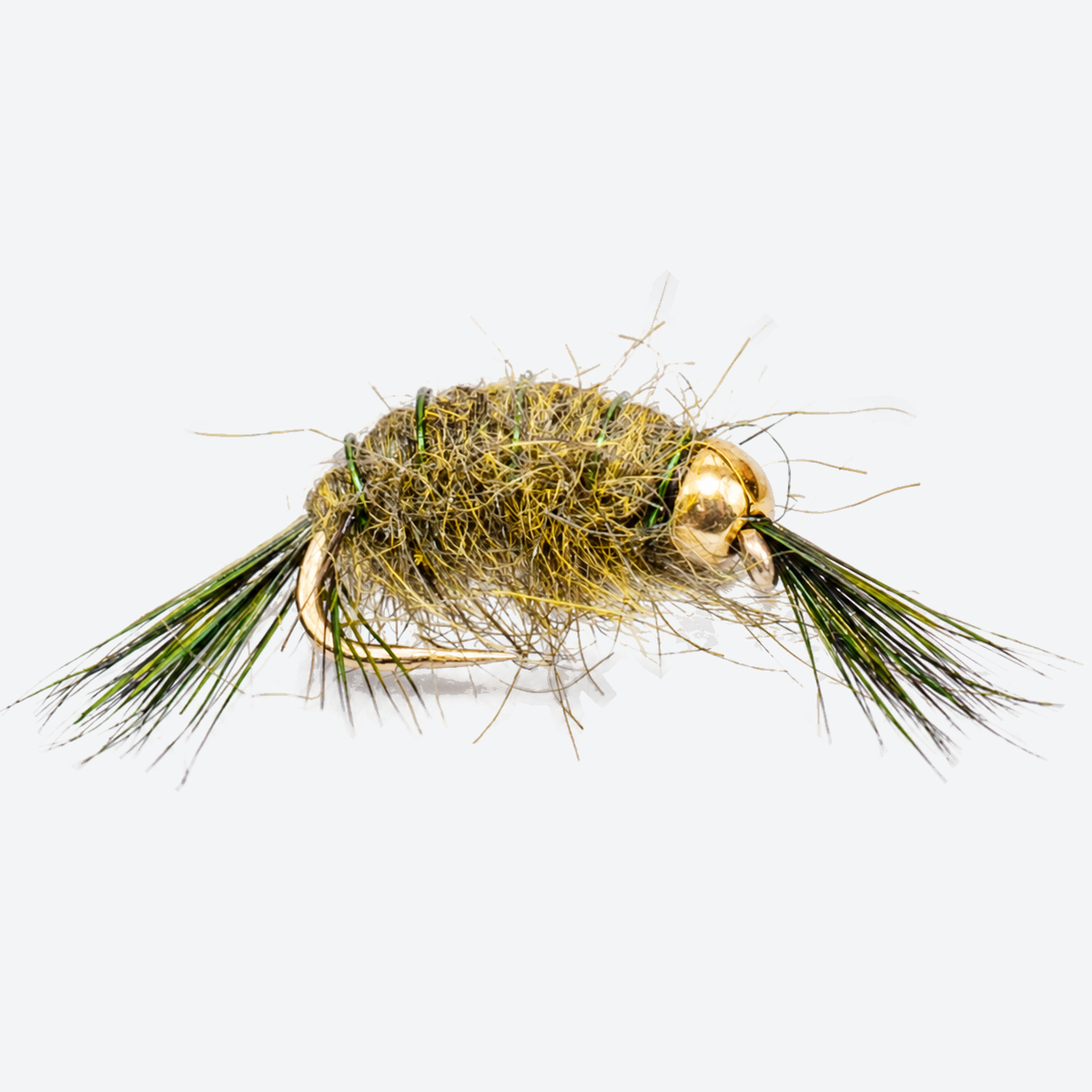
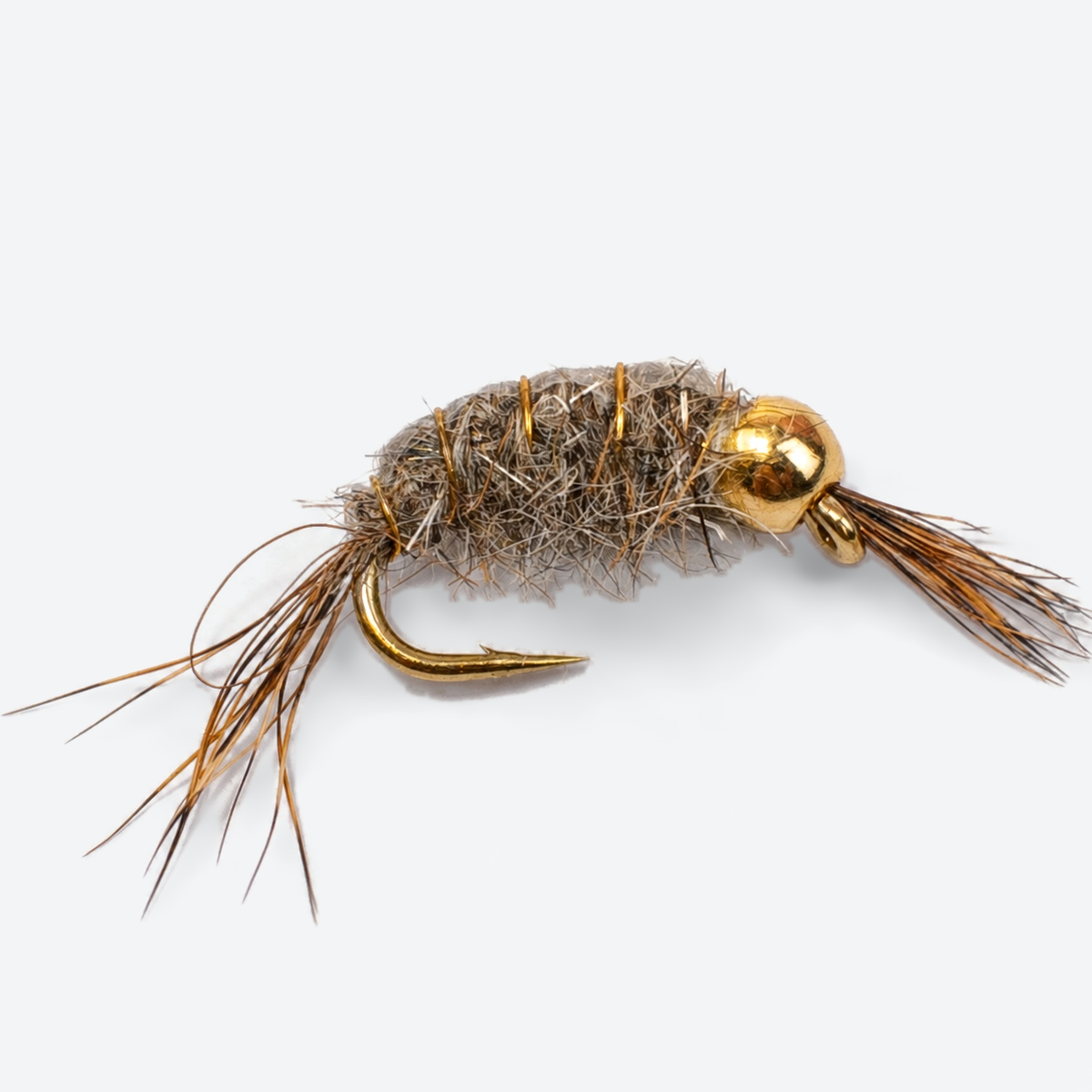
Photo guide: The gallery and component pictures are identification examples from our individual-fly listings, not a photograph of the assembled box. Photographs are not shown at a common physical scale. The labels below specify the included sizes and quantities.
| Fly | Color | Size | Flies included |
|---|---|---|---|
| Woolly Bugger - Bead Head | Black | #8 | 2 |
| Woolly Bugger - Bead Head | Olive | #10 | 2 |
| Woolly Bugger - Bead Head | White | #10 | 2 |
| Woolly Bugger - Bead Head | Brown | #8 | 2 |
| Pine Squirrel Leech - Bead Head | Olive | #12 | 2 |
| Pine Squirrel Leech - Bead Head | Black | #12 | 2 |
| Balanced Leech | Blue | #8 | 2 |
| Balanced Leech | Red | #10 | 2 |
| Ice Cream Cone Chironomid | No color option | #16 | 4 |
| Scud - Bead Head | Olive | #12 | 2 |
| Scud - Bead Head | Gray | #12 | 2 |


How to fish this selection
Two Ways to Fish This Box: Retrieve or Suspend
Start by watching before casting. Note weed edges, a drop-off you can identify, wind direction, visible insects, and repeated fish activity. A ring at the surface can come from a fish turning below it; do not assume every splash requires a dry.
With no clear rises, begin with a retrieved Woolly Bugger - Bead Head, Olive #10, over reachable water with room for a controlled retrieve. Keep the rod tip low and remove slack. Make a small fan of casts instead of repeatedly placing the fly in one narrow track. Start with a short countdown and a slow retrieve; change the countdown systematically to explore a different layer. A five-second count is a repeatable timing cue, not a promise of five feet of depth. Fly mass, leader, line, current, wind drift, and retrieve all change the actual path. A faster retrieve generally pulls the fly higher; a longer pause or countdown gives a weighted fly more time to sink. Slower retrieval can help maintain a deeper layer, subject to the line, wind, and current. Test the actual path in visible water before treating a cadence as a depth setting.
If fish follow without committing, first make one presentation adjustment: a longer pause, a smaller strip, or a compact Pine Squirrel Leech - Bead Head #12. If you have evidence fish occupy a particular layer but will not follow a moving fly, switch to the suspended rig. A balanced leech lets you hold a larger profile there; the chironomid gives a smaller option. Remove or raise a rig that repeatedly collects weed.
Starting rig 1 — Retrieve one bugger
Connect floating line to a 7-foot-6-inch tapered 3X leader using its factory loops. Add 18 finished inches of 3X fluorocarbon with a double surgeon’s knot. Tie Woolly Bugger - Bead Head, Olive #10 with a non-slip mono loop about 1/4 inch long. Include the loop in the finished extension measurement: the total leader is about 9 feet. Use no indicator, added shot or trailing fly. The bead’s exact mass and sink rate are not specified.
For the non-slip loop, form an overhand loop, pass the tag through the hook eye and back through the overhand, make six wraps around the standing line for this light-tippet example, return through the same side of the overhand, then wet, seat and pull-test. Follow the knot instructions for your actual material; six wraps is not a universal strength claim. Tim Flagler’s loop-knot demonstration.
Begin with a 3-inch strip and a 2-second pause, then vary one thing at a time. Compare a five-second and ten-second countdown without converting seconds to feet. A longer pause gives a weighted fly more time to sink; faster retrieval can pull it higher. A small Pine Squirrel Leech may replace the bugger on the same rig. If this system cannot reach the layer, change the line system or location.
Starting rig 2 — Suspend one balanced leech
For accessible water about six feet deep, connect floating line to a 9-foot tapered 3X leader. Add 12 finished inches of 4X fluorocarbon with a double surgeon’s knot, then attach Balanced Leech, Red #10 with the same non-slip loop. The finished leader is about 10 feet. Nominal 3X is 0.008 inch / 0.203 mm and 4X is 0.007 inch / 0.178 mm; check your material.
Measure depth rather than guessing. A removable depth-locator weight can help find bottom; retrieve and remove it before fishing. Begin with an adjustable indicator five feet above the fly, measured along the leader, to target roughly a foot above the measured bottom or above weed tops. Choose an indicator that supports the actual wet fly and remains readable. Use no added split shot. Check the actual fly’s hanging position in water; its pattern name is not proof of a precise angle.
To compare a smaller profile, replace the leech with Ice Cream Cone Chironomid #16, tied with a five-turn improved clinch, and recheck support and depth. Keep one fly on the rig. This short tapered setup is a starting example; specialist stillwater rigs may use level material below the indicator for controlled sinking. Change systems when the taper or depth prevents a useful presentation. Phil Rowley on indicator rigs.
What to change when one method stops working
- Check the fly and contact: clear weed, inspect the knot and hook, and remove slack. A fouled fly is not a failed color test.
- Recheck depth: use consistent countdowns on the retrieve or measure and adjust the suspended rig. Move the suspended fly by 6–12 inches before making a large jump.
- Adjust motion: slow the retrieve or lengthen pauses; on the suspended rig, allow gentle wind movement and test an occasional short movement rather than constant dragging.
- Change profile: bugger to compact leech, or balanced leech to chironomid/scud. Keep depth reasonably comparable so the experiment means something.
- Switch method: retrieve to cover new water; suspend to hold the selected layer longer. A stopped bite can mean fish moved, not that the fly became wrong.
- Move: change angle, accessible shoreline, or depth band when evidence suggests fish have left the area. Consider wind and safe access before moving onto exposed water.
Repeated nose breaks, visible adults being taken, or fish tracking emerging insects can justify a dry or emerger approach. This box does not contain a dry. Choose a suitable additional pattern after identification; do not float a chironomid pupa and call it an adult imitation.
Related water guides
Use our Strawberry Reservoir planning guide for the monthly conditions calendar, dated reports and access checks. The fall Strawberry article explains when the box's two methods fit—and when you need a different depth system or an adult dry.
Refill your selection
For the complete recipe without another box, choose the loose refill format at the top of this page. To replace only a few flies, use the exact individual-fly links in the contents table and choose your own quantities. Each option is a separate purchase; you do not need to add the complete refill and its individual components together.


Customers also bought
-
152-Piece Premium Fly Fishing Kit with Fly Box
Regular price $139.99 USDRegular price -
27-Pack Woolly Bugger Assortment
Regular price $39.99 USDRegular price -
12-Pack Sexy Walt's Worm
Regular price $18.99 USDRegular price -
12-Pack Zebra Midge
Regular price $16.99 USDRegular price


