

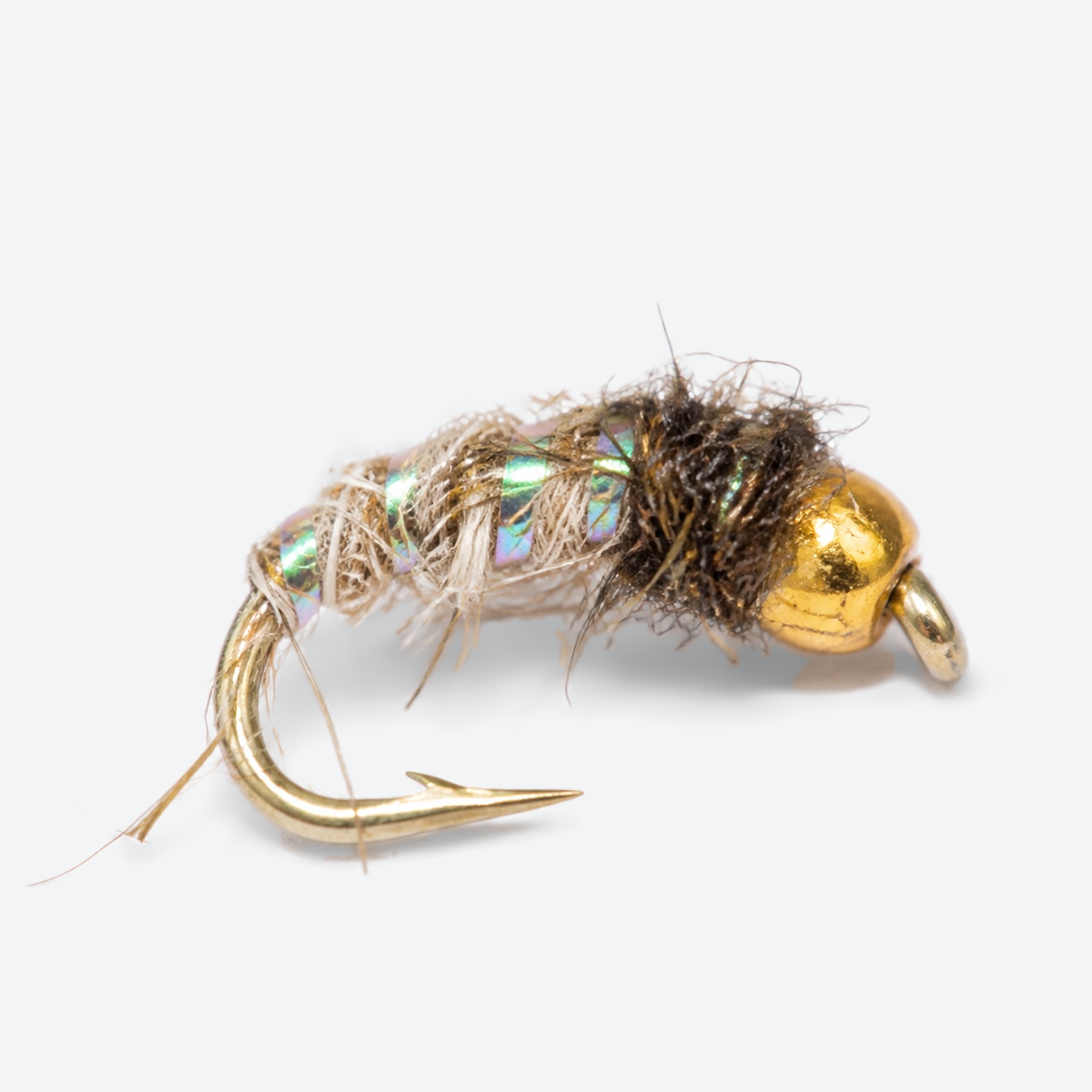
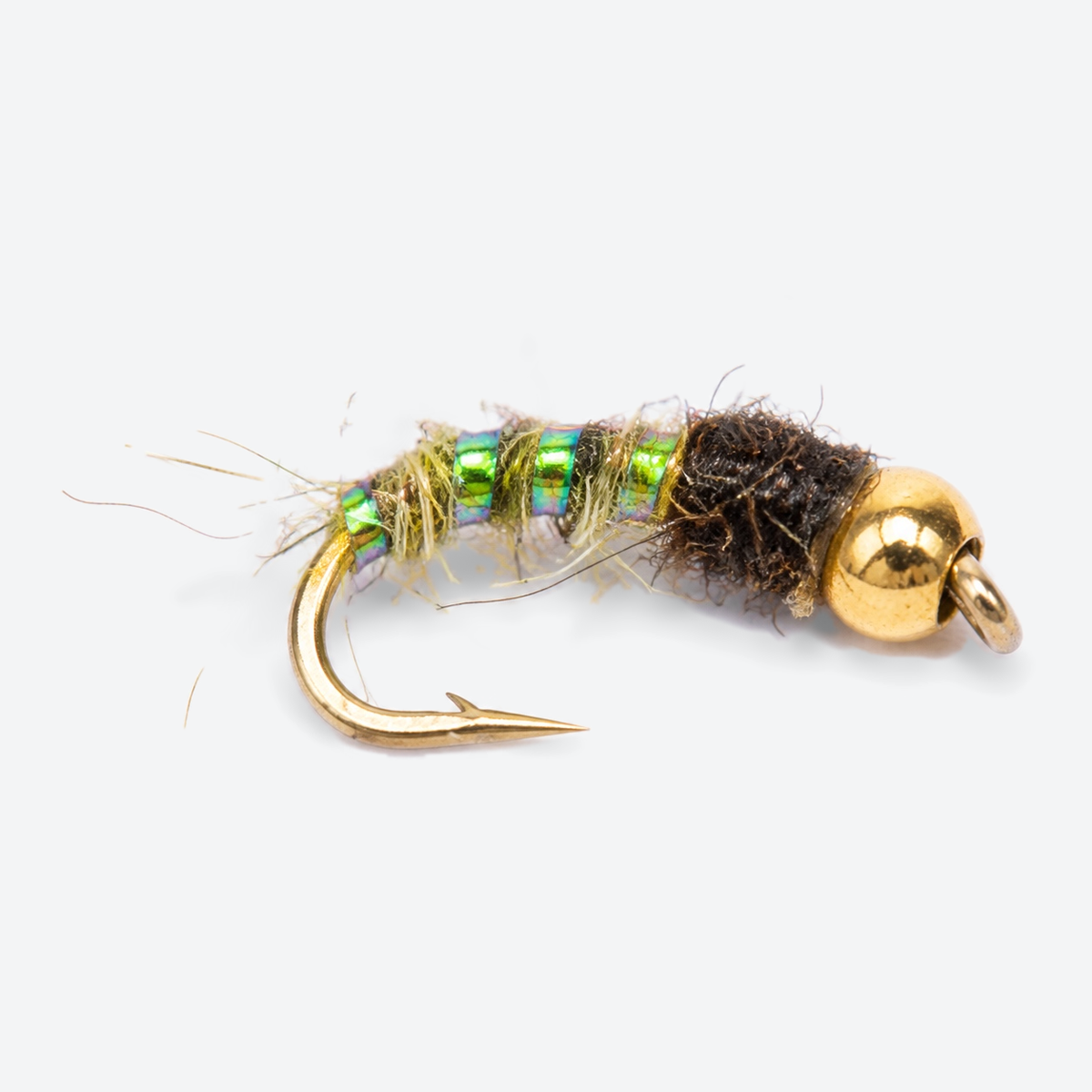
Caddis Larva
Caddis Larva
Couldn't load pickup availability
Reviews across our store
248 reviews
Trusted by over 5,000 anglers
Stock availability: In stock
Shipping information
Shipping information
All orders ship via USPS from our shop in the United States.
Free shipping on orders of $65 or more (lower 48 US states).
Tracking is emailed once your order ships, usually within 1–2 business days of purchase.
Expedited shipping is available at checkout for US customers.
International shipping rates are calculated at checkout. Free shipping does not apply outside the US.
Ask a question
Ask a question
A curved-body caddis larva in tan or olive. Free-living caddis larvae are among the most abundant year-round foods in freestone rivers, and trout pick them off the drift all day.
When to Fish It
Year-round, especially mornings and non-hatch hours when fish feed near the bottom. Dead-drift it deep as a dropper behind a heavier fly, or on a euro rig on light tippet. Olive for green rock worms, tan for the rest.
Key Info
- Type: Nymph
- Imitates: Free-living caddis larva
- Colors: Tan, Olive
- Sizes: 14, 18
- Best for: Trout on freestones and tailwaters
- Fish it: Deep dead-drift, indicator or euro rig
Related: Caddis Pupa · Walt's Worm
Customers also bought
-
152-Piece Premium Fly Fishing Kit with Fly Box
Regular price $139.99 USDRegular price -
27-Pack Woolly Bugger Assortment
Regular price $39.99 USDRegular price -
12-Pack Sexy Walt's Worm
Regular price $18.99 USDRegular price -
12-Pack Zebra Midge
Regular price $16.99 USDRegular price


