


Middle Provo Midge & Sowbug Box — 24 Flies
Middle Provo Midge & Sowbug Box — 24 Flies
Couldn't load pickup availability
Reviews across our store
252 reviews
Trusted by over 5,000 anglers
Stock availability: Low stock — only 3 left
Shipping information
Shipping information
All orders ship via USPS from our shop in the United States.
Free shipping on orders of $65 or more (lower 48 US states).
Tracking is emailed once your order ships, usually within 1–2 business days of purchase.
Expedited shipping is available at checkout for US customers.
International shipping rates are calculated at checkout. Free shipping does not apply outside the US.
Ask a question
Ask a question
A focused 24-fly selection for the Middle Provo’s subsurface feeding and small-midge activity. Start with a sowbug and midge, adjust your depth and drift, then move to an emerger or dry when you can see fish feeding higher. Choose the boxed selection or the same 24 flies as a loose refill.
- 24 flies in eight exact pattern-and-size combinations.
- Black Zebra Midges with Silver Beads in #20 and #22.
- Small emergers and midge patterns down to #24.
- Rainbow Sow Bug #18 for a different subsurface food profile.
- Two starting rigs, fly identification, and an ordered adjustment guide.
- Boxed and refill formats contain the same flies; the refill contains no box.
The Middle Provo can ask for a small fly and a careful drift. This selection gives you a manageable set of subsurface, emerging, and surface choices, with repeat copies of the patterns you are likely to keep fishing.
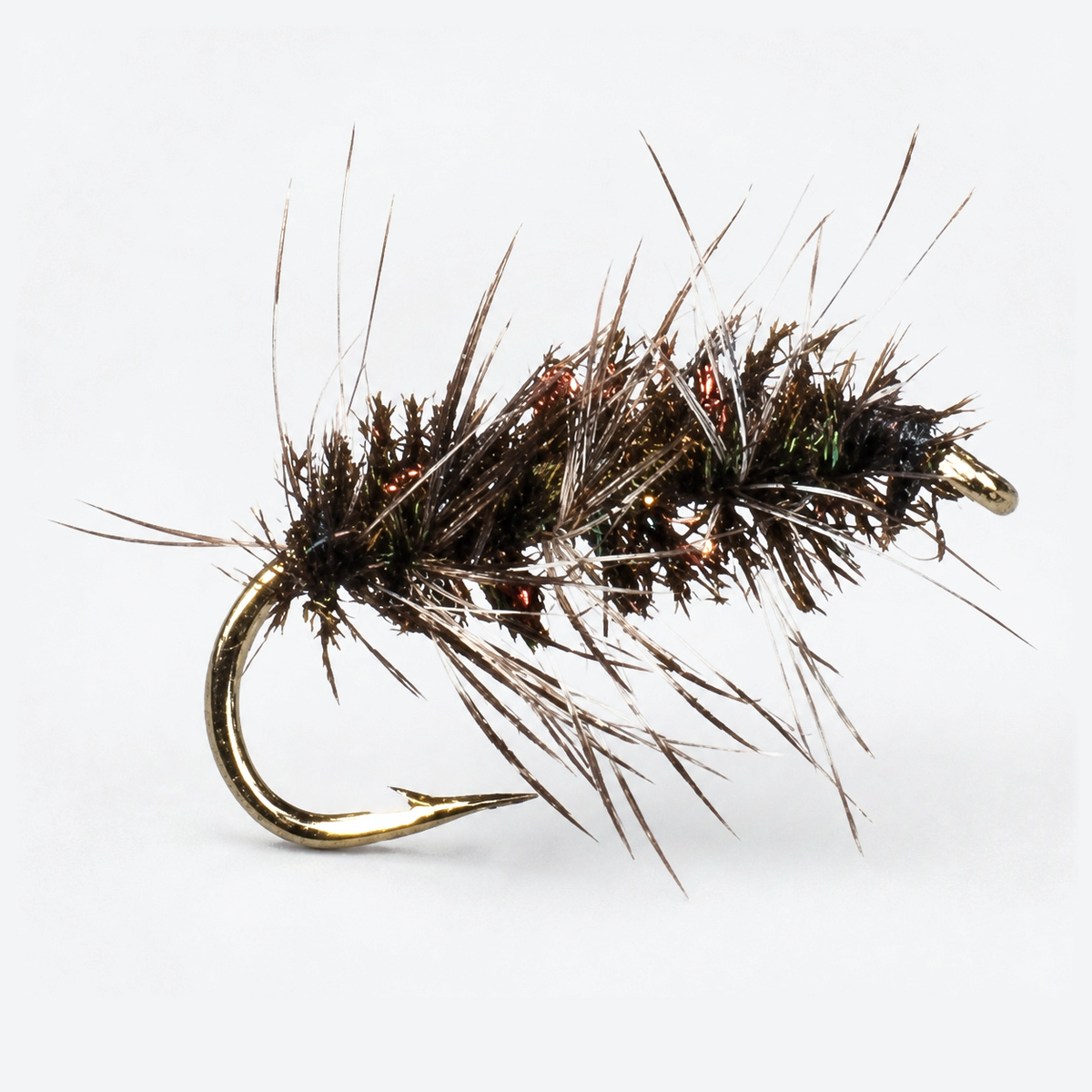
The largest share is devoted to small subsurface flies: Black Zebra Midges with Silver Beads, Top Secret Midges, Black RS2 Emergers, and Rainbow Sow Bugs. Mother Shuckers and Griffith’s Gnats add options for midge activity near the surface. The contents table gives the exact size and quantity of every fly; there are no unspecified substitutions.
Begin by deciding where the fish are feeding. A fish holding low and occasionally shifting sideways calls for a different presentation from a fish repeatedly sipping in one surface lane. The included lesson explains how to set up for each situation, how to judge your drift, and when to change the fly.
Choose 24 flies + box for a complete stored selection. Choose 24-fly refill — no box to replace this selection in a box you already own. You can also reorder individual components by their exact pattern and size.
This is a focused midge-and-sowbug selection. Larger seasonal mayflies, caddis, streamers, and other food sources may call for flies outside it. Check current conditions and observe the water before choosing your presentation. Leader, tippet, indicator, split shot, and floatant are not included.
Questions about this selection
Are the boxed and refill versions different selections? No. Both contain the same 24 flies. The boxed version includes the fly box; the loose refill does not.
Does it cover the entire Provo River all year? No. It focuses on the Middle Provo’s small-fly subsurface and midge fishing. Other river sections, larger hatches, and different conditions may require additional patterns.
Are there four different sizes of every pattern? No. Each included color and size is listed explicitly in the contents table. For example, the Rainbow Sow Bug is #18, while the Top Secret Midge is #22 and #24.
What should I try first? When there are no repeated rises, try the Rainbow Sow Bug #18 with a Black Zebra Midge, Silver Bead, #20 or #22. Adjust the drift and fishing depth before cycling through every pattern.
Can I refill only the flies I lost? Yes. Use the component links to choose exact individual flies and quantities. The full refill restores the complete 24-fly recipe.
Exact contents
Both formats contain the same 24 flies. Choose the boxed format for a fly box, or the loose refill if you already have one.
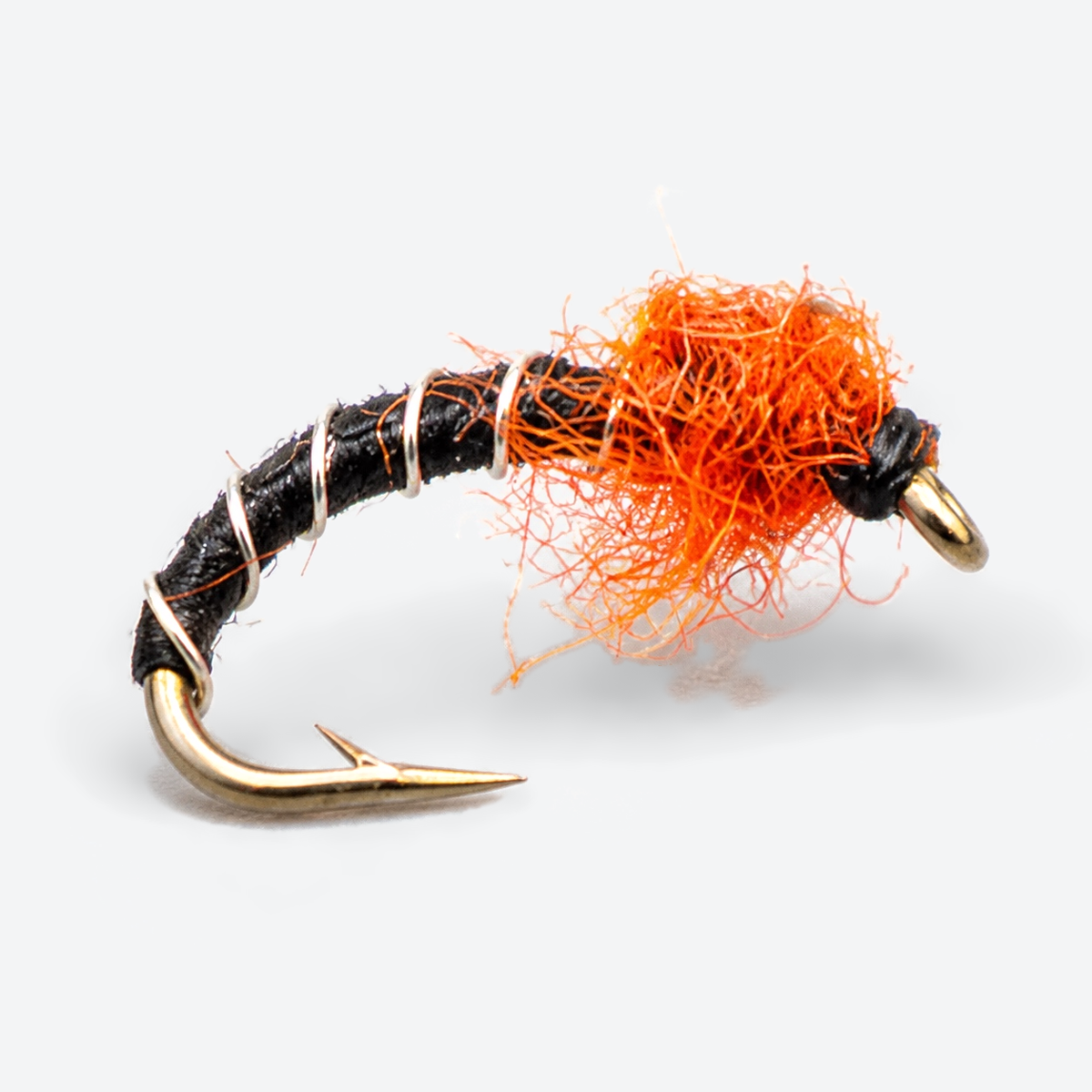
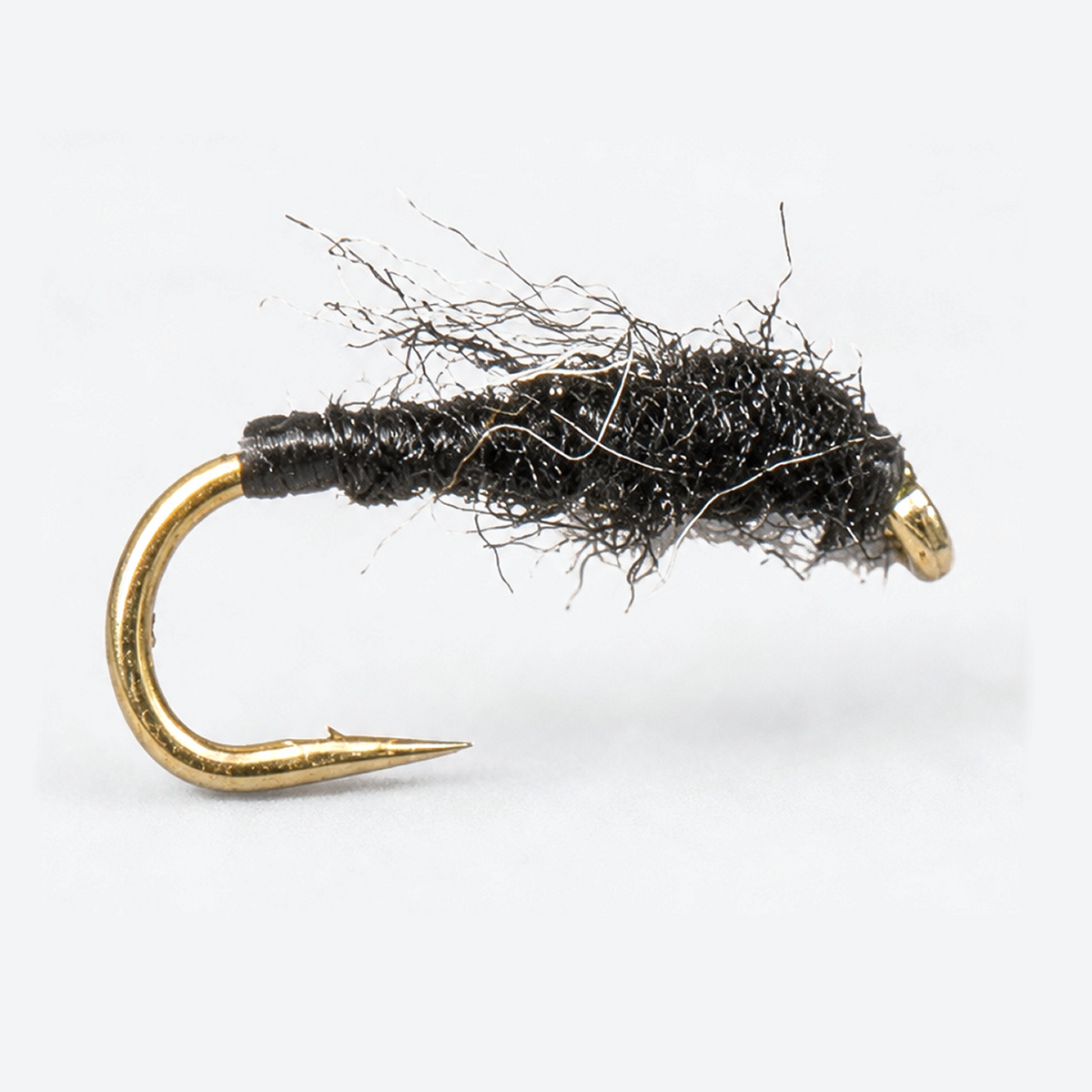
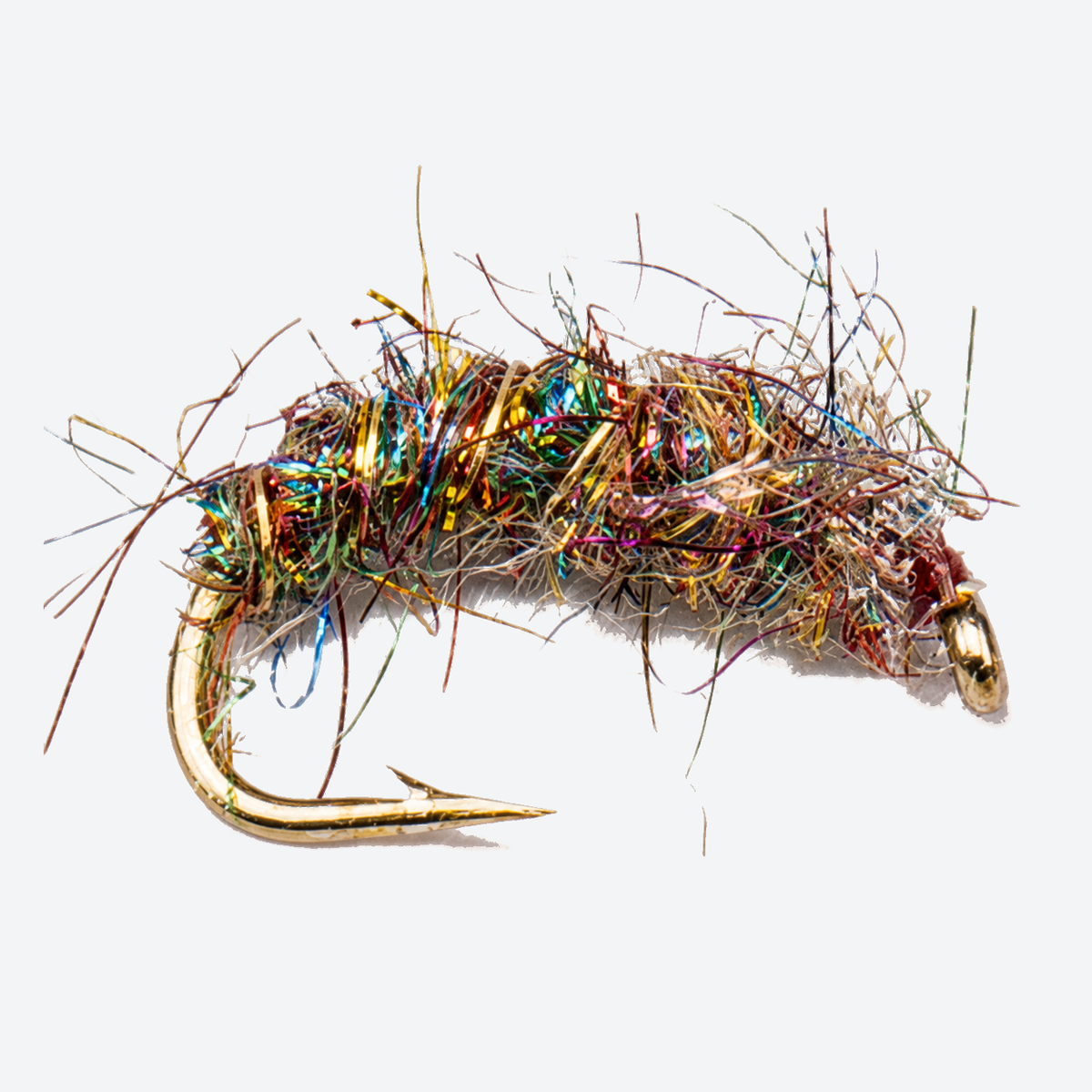
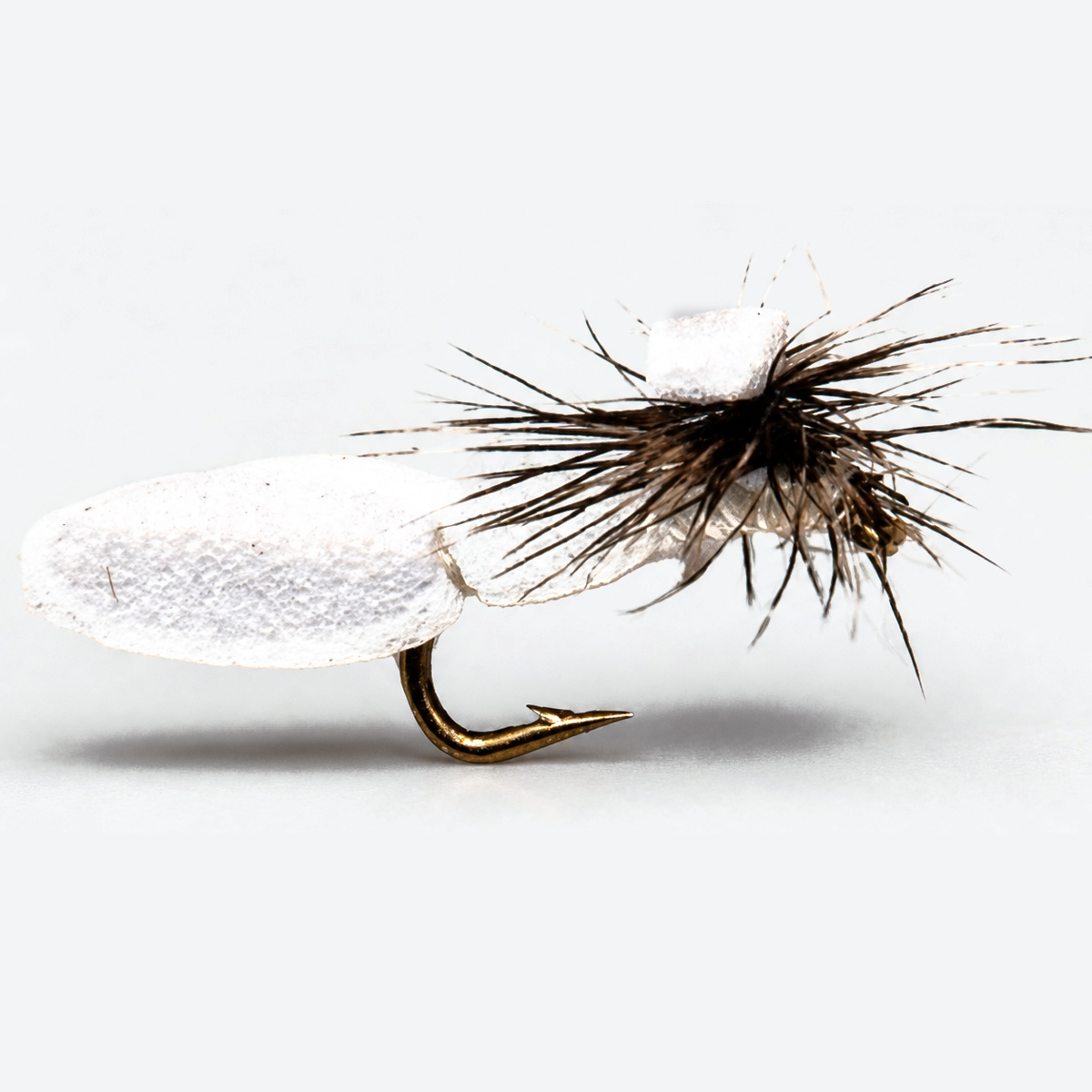
Photo guide: The gallery and component pictures are identification examples from our individual-fly listings, not a photograph of the assembled box. Photographs are not shown at a common physical scale. The labels below specify the included sizes and quantities.
| Fly | Color | Size | Flies included |
|---|---|---|---|
| Zebra Midge - Black | Silver Bead | #20 | 4 |
| Zebra Midge - Black | Silver Bead | #22 | 4 |
| Top Secret Midge | No color option | #22 | 2 |
| Top Secret Midge | No color option | #24 | 2 |
| RS2 Emerger | Black | #22 | 4 |
| Rainbow Sow Bug | No color option | #18 | 4 |
| Mother Shucker | No color option | #22 | 2 |
| Griffith Gnat | No color option | #22 | 2 |


How to fish this selection
Read the Feeding Level Before Changing Flies
Watch one reachable lane before wading into it. Look for repeated rises, visible insects, drifting empty shucks, and fish moving sideways beneath the surface. A splash by itself does not identify the insect or feeding stage. Give more weight to repeated behavior and the naturals you can actually see.
With no repeated rises, start with the Rainbow Sow Bug #18 and Black Zebra Midge, Silver Bead, #20. Work a short lane at a controllable distance. The indicator is a drift reference and strike signal; it is not a depth gauge. Your flies follow an angled path and may travel above their intended depth even when the measured leader length seems sufficient.
If fish begin bulging without clear nose breaks, inspect for activity just below the film. A Black RS2 Emerger #22 or Top Secret Midge #22/#24 is a candidate, but present it at the observed level. If small noses repeatedly break the surface and midges or clusters are visible, try Mother Shucker #22 or Griffith Gnat #22. Neither rise form gives certainty by itself. Watch whether the fish takes the fly, ignores it, or follows then refuses; those observations guide the next adjustment.
Starting rig 1 — Two subsurface flies
For an example run about three feet deep, connect floating line to a 9-foot tapered 5X leader using its factory loops. Add 24 finished inches of 5X tippet with a double surgeon’s knot. Tie on Rainbow Sow Bug #18 with a five-turn improved clinch knot. From its bare hook bend, attach 18 finished inches of 6X with a five-turn improved clinch, then tie Black Zebra Midge, Silver Bead, #22 to the end with a six-turn improved clinch. Wet, seat and pull-test every connection.
Set a small adjustable indicator 54 inches above the lower fly, measured along the leader: 36 inches above the sowbug. An optional 0.10 g non-lead split shot, 12 inches above the sowbug on the 5X extension, is a starting example only if the required depth calls for it. Inspect the tippet after moving shot. Use open-loop casts or a water haul. The finished line-to-lower-fly length is about 12 feet 6 inches; current makes the underwater path angled, so indicator distance is not fishing depth. Adjust to the actual run.
Nominal 5X diameter is 0.006 inch / 0.152 mm; 6X is 0.005 inch / 0.127 mm. Check your spool, since labels and strengths vary. Leave extra material for tying the stated finished lengths. Orvis indicator setup.
Starting rig 2 — A single fly for observed midge rises
Connect floating line to a 9-foot tapered 5X leader, then add 24 finished inches of 6X nylon with a double surgeon’s knot. Tie Griffith Gnat #22 with a six-turn improved clinch. The finished leader is about 11 feet. Use no indicator, no added shot and no second fly. Present useful slack so the fly follows the feeding lane without a wake.
When the observed feeding favors an emerging midge, replace the Gnat with Mother Shucker #22 using the same connection. These are alternatives, not a tandem. Dry and treat the actual materials appropriately; use ordinary paste on CDC only if the floatant maker says it is compatible.
After several unproductive drifts, change in this order
- Reach and drift: fish a shorter lane; remove cross-current belly before the fly reaches the fish. Compare indicator speed to nearby bubbles without assuming they travel at identical depth.
- Depth: move the indicator in 6–12-inch steps. If snagging repeatedly, shorten the setting or remove weight. If the flies never get into the intended layer, give them more upstream sink time before adding weight.
- Weight: add or remove a small measured amount only after the drift and depth setting make sense. It must still cast controllably.
- Profile and size: compare #20 to #22 Zebra; try Top Secret #22/#24 or a different sowbug/midge role. Change one variable at a time for a few controlled drifts.
- Feeding level: when observed rises justify it, remove the indicator rig and fish the single surface/emerger presentation. Do not drag a surface fly over subsurface-feeding fish indefinitely.
- Position or lane: if the reachable water shows no feeding response, approach a different lane quietly. Repeated unproductive casts can make the presentation worse.
Related water guides
Planning a trip? Read our Middle Provo guide for the monthly calendar, access resources and a dated conditions note. Use the Provo overview if you are deciding between reaches.
Some of these small subsurface patterns also appear in our Lower Provo guide. Check that reach's report and add the adult stages or sizes your trip requires.
Compare the individual sizes with our Flaming Gorge tailwater guide before using this small-fly selection there. It does not include the #20–24 adult BWOs described in fall reports.
Refill your selection
For the complete recipe without another box, choose the loose refill format at the top of this page. To replace only a few flies, use the exact individual-fly links in the contents table and choose your own quantities. Each option is a separate purchase; you do not need to add the complete refill and its individual components together.

Customers also bought
-
152-Piece Premium Fly Fishing Kit with Fly Box
Regular price $139.99 USDRegular price -
27-Pack Woolly Bugger Assortment
Regular price $39.99 USDRegular price -
12-Pack Sexy Walt's Worm
Regular price $18.99 USDRegular price -
12-Pack Zebra Midge
Regular price $16.99 USDRegular price


