


Caddis Life Cycle Pack — 18 Flies
Caddis Life Cycle Pack — 18 Flies
Couldn't load pickup availability
Reviews across our store
282 reviews
Trusted by over 5,000 anglers
Stock availability: In stock
Shipping information
Shipping information
All orders ship via USPS from our shop in Utah, USA.
Free shipping on orders of $65 or more (lower 48 US states).
Tracking is emailed once your order ships, usually within 1–2 business days of purchase.
Expedited shipping is available at checkout for US customers.
International shipping rates are calculated at checkout. Free shipping does not apply outside the US.
Ask a question
Ask a question
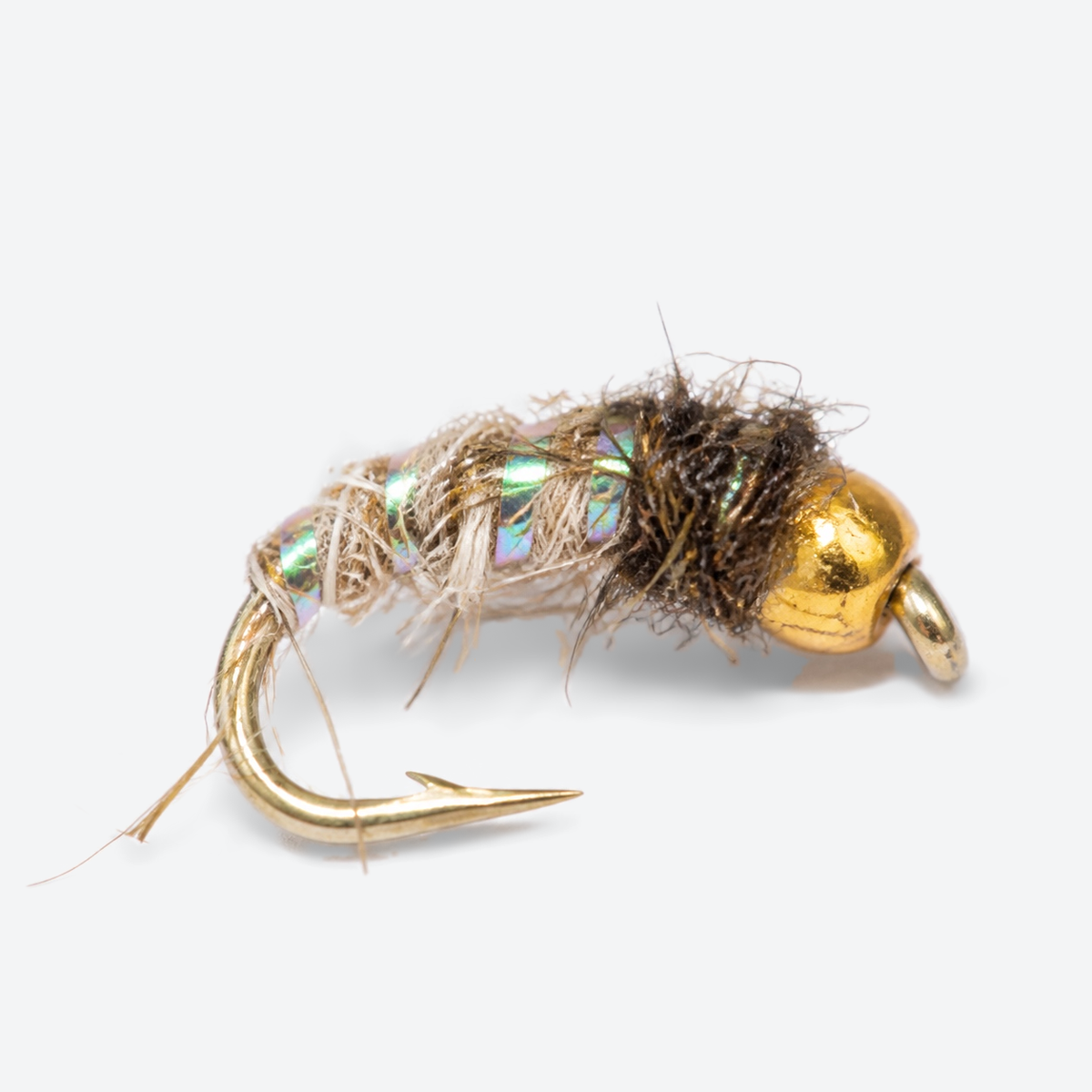
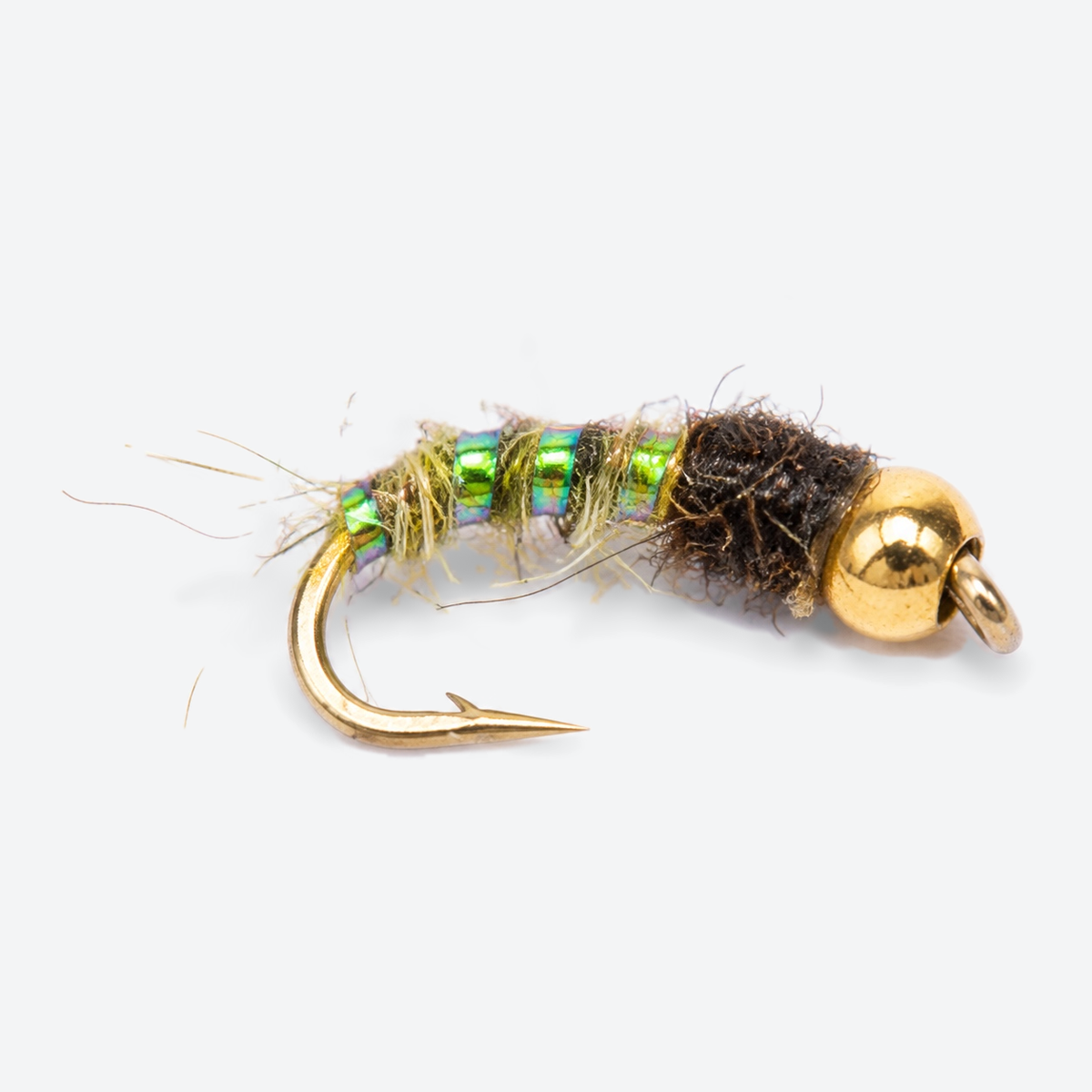
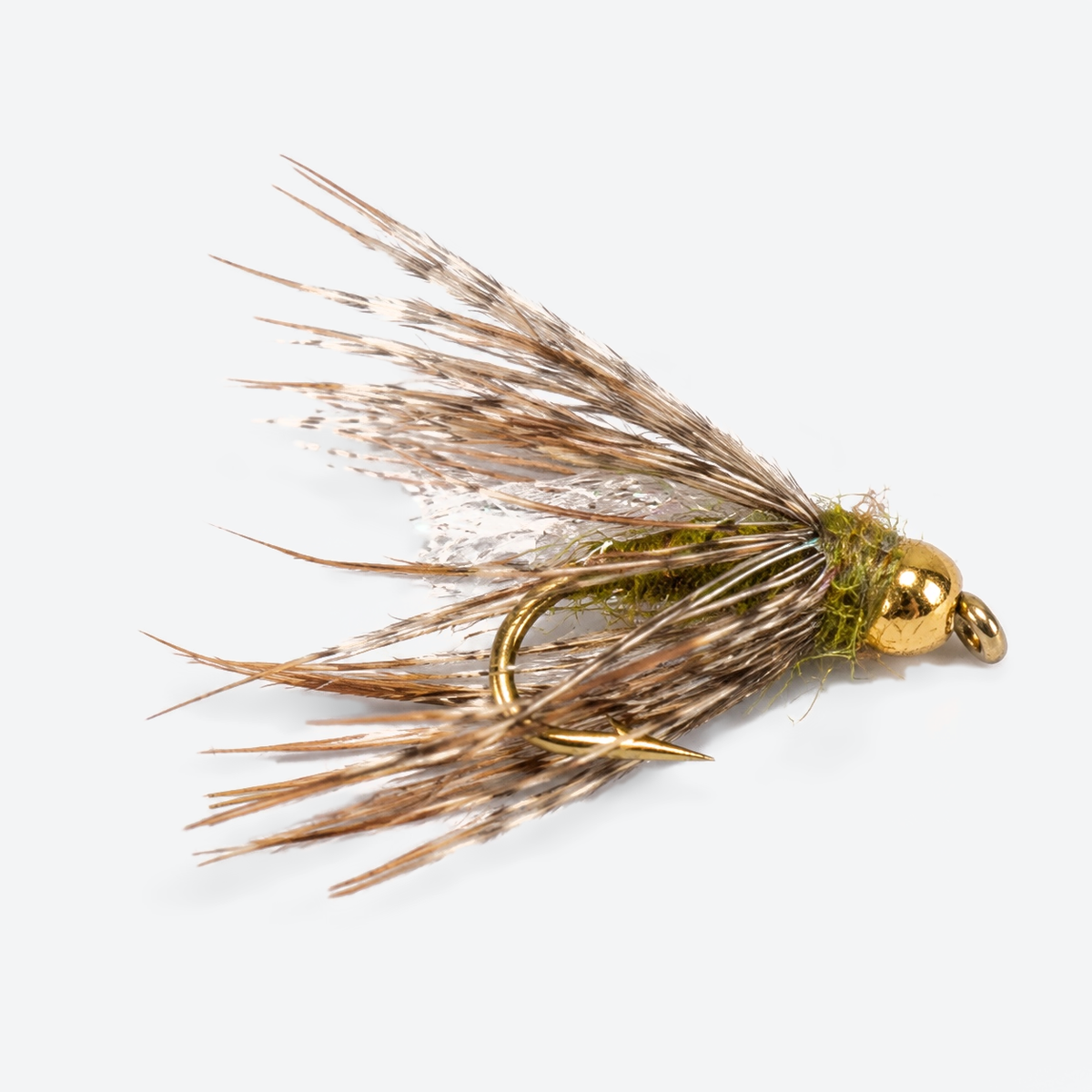
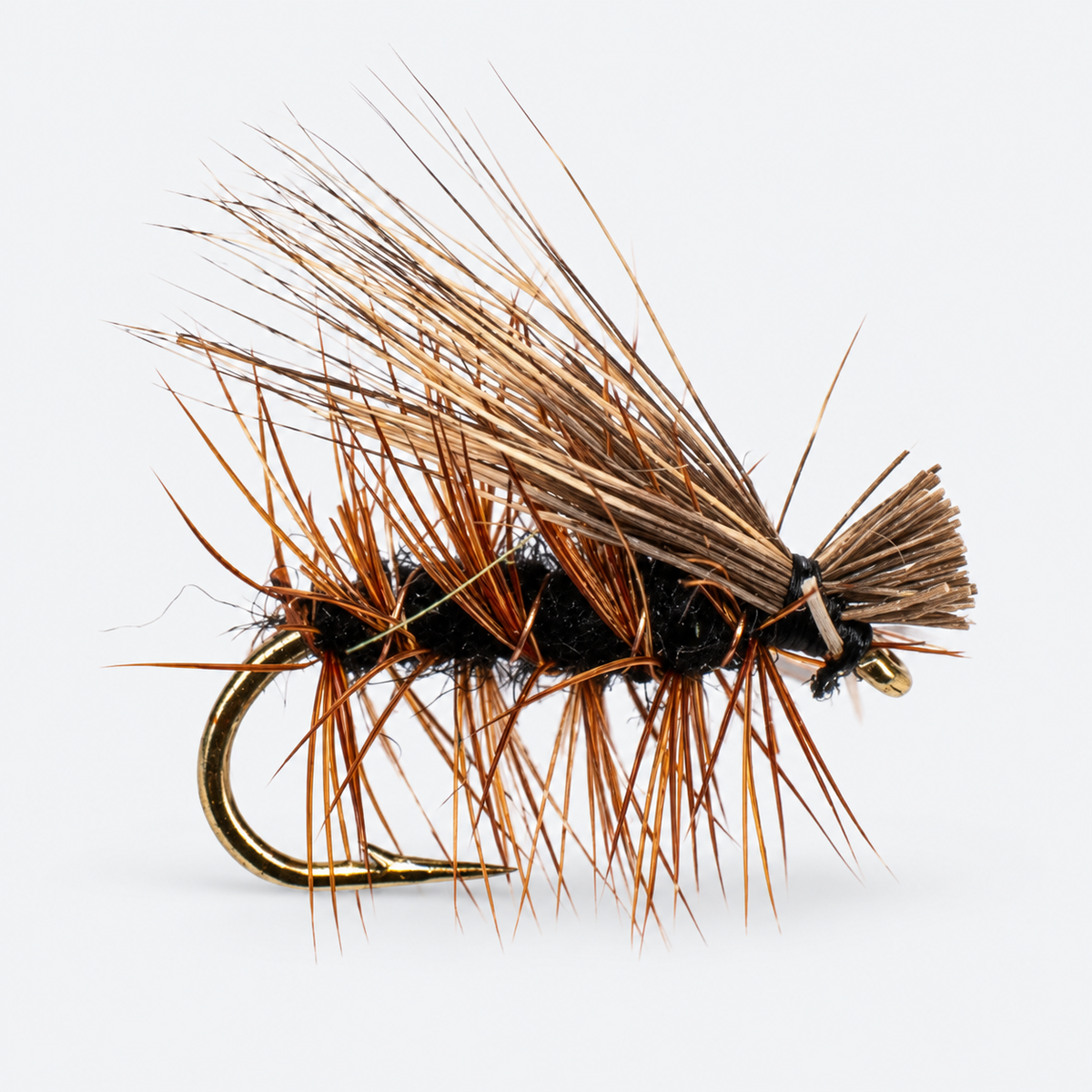
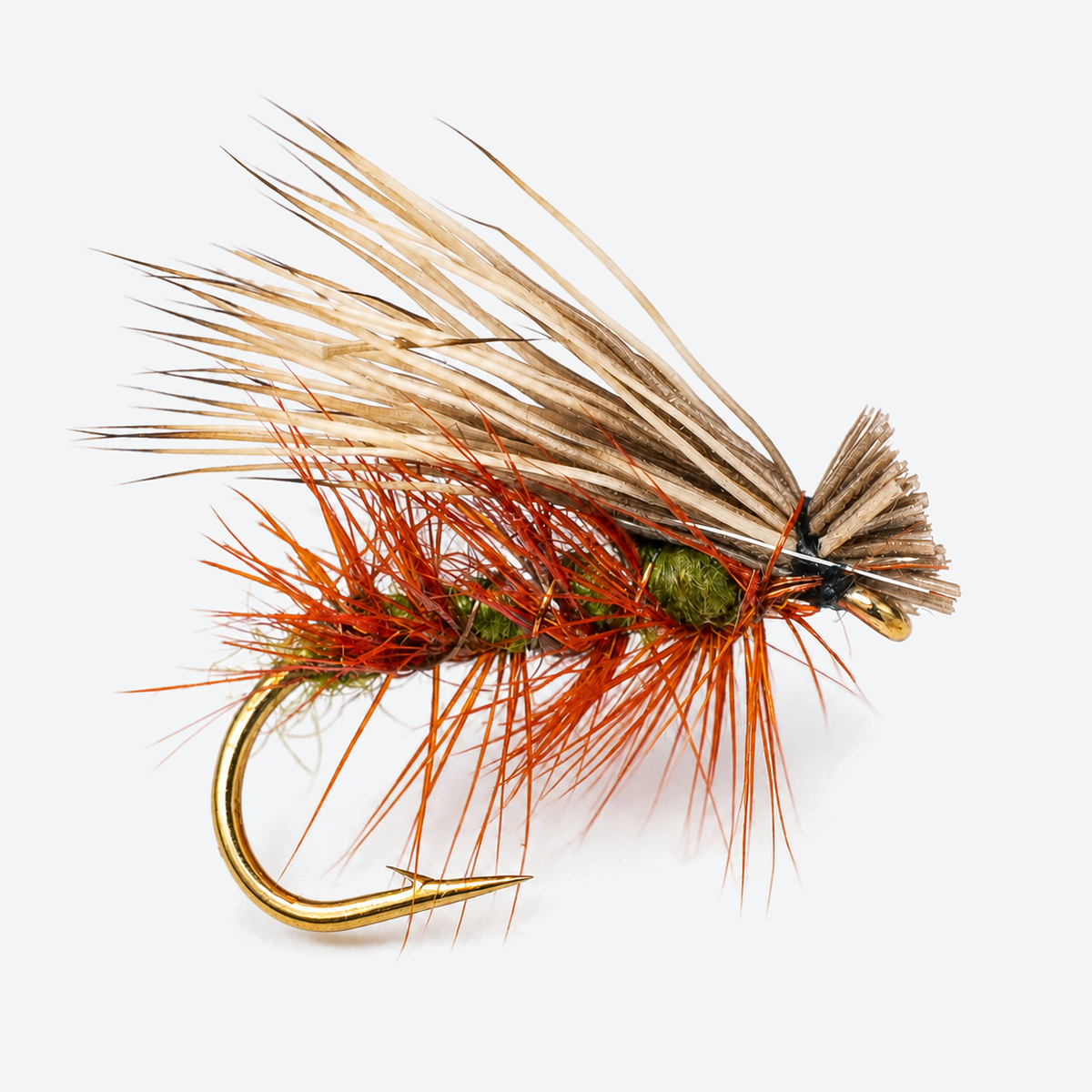
18 flies covering the caddis life cycle. Six larvae, six pupae and six adult dries let you change both the pattern and presentation as trout feed at different levels. Includes tan and Olive larvae, Caddis Pupae and Elk Hair Caddis.
What’s included — 18 flies
| Pattern | Color | Size | Flies |
|---|---|---|---|
| Caddis Larva | Tan | #14 | 3 |
| Caddis Larva | Olive | #14 | 3 |
| Caddis Pupa | Olive | #14 | 6 |
| Elk Hair Caddis | Brown | #16 | 2 |
| Elk Hair Caddis | Black | #16 | 2 |
| Elk Hair Caddis | Olive | #18 | 2 |
| Total flies | 18 | ||
When to fish it
Use this pack when caddis are part of the food trout are taking. Larvae give you a starting option below the surface; pupae fit emerging-caddis activity; adult dries come into play when you see insects being eaten on top. A day does not have to follow that order—choose the stage that matches the feeding you observe.
How to fish it
- Drift the larva: Start with an Olive or tan #14 on a floating line, a 9-foot 5X leader and about 24 inches of 5X tippet. Use an adjustable indicator and enough weight to reach the intended layer. Work one reachable current seam with several controlled drifts, adjusting depth before changing color. Reduce weight or shorten the setting if you repeatedly snag bottom.
- Move to the pupa: When fish are turning below the surface or chasing emerging caddis, compare a #14 pupa at the feeding level. Begin with the indicator setup, then reduce weight and shorten the indicator distance to explore higher water. Watch the actual drift and sink rate; the pupa is a subsurface pattern, not an adult dry.
- Fish the adult on top: When trout visibly take surface insects, remove the indicator and weight and tie on one Elk Hair Caddis. Brown and Black #16 offer a color comparison; Olive #18 is the smaller option. Land it upstream of the fish with slack and follow it without a wake. Keep the pupa on a separate rig so the dry can fish freely.



Customers also bought
-
152-Piece Premium Fly Fishing Kit with Fly Box
Regular price $139.99 USDRegular price -
Sold out

27-Pack Woolly Bugger Assortment
Regular price $39.99 USDRegular price -
12-Pack Sexy Walt's Worm
Regular price $18.99 USDRegular price -
12-Pack Zebra Midge
Regular price $16.99 USDRegular price


