Snake River Fly Fishing in Jackson Hole
On the Snake River near Jackson Hole, match the reach and conditions before choosing a fly. Small midges and nymphs matter in cold weather; caddis, mayflies and larger searching dries become useful in open-water seasons. Bring a subsurface option, check the actual flow and access, and treat a seasonal hatch calendar as a starting point.
Which Snake River this page covers
This guide covers the Wyoming Snake from Jackson Lake Dam through Grand Teton National Park to the Wilson area. It does not describe Idaho's South Fork below Palisades Dam, the Henry's Fork, or the whitewater canyon south of Jackson. Reports for those waters cannot be transferred here just because “Snake” appears in the name.
The short reach immediately below Jackson Lake Dam and the braided river farther downstream can behave differently. Tributaries add water and can change clarity; a dam-release number alone does not describe every channel. Before picking a fly, choose a lawful access point, inspect the reach you can actually fish and decide whether you can present the fly effectively there.
WorldCast's Wyoming Snake overview describes the broader Jackson Lake–Palisades corridor. Our narrower page helps a first-time visitor keep those sections separate. A photograph of a calm braid is not evidence that the next channel or float route is straightforward.
Seasonal hatch calendar by month
| Month | Likely food or seasonal condition | Starting decision |
|---|---|---|
| January | Midges; cold water and snow-limited access. | Nymph a reachable slow lane when legal access and conditions allow. |
| February | Midges, with occasional surface feeding on milder days. | Watch quiet water before choosing a dry. |
| March | Midges and developing spring activity; BWOs are a seasonal possibility. | Compare a small surface presentation with a nymph when fish stay below. |
| April | Midges, BWOs, small dark stones and possible skwalas. | Match the observed size; a large yellow attractor is not every spring stonefly. |
| May | Caddis or late spring opportunities can precede runoff; clarity may change rapidly. | Check the actual reach before committing to surface fishing. |
| June | Runoff or transition conditions; the clearing date varies. | A regional hatch listing does not guarantee fishable Snake conditions. |
| July | After clearing: PMDs, caddis and stonefly opportunities. | Inspect the insect and stage; use a dry only where surface feeding or searching conditions support it. |
| August | PMDs, terrestrials and late-summer stonefly activity. | Check temperature and current advice before planning a long afternoon. |
| September | PMDs may persist; BWOs, mahogany duns and Hecubas enter local reports. | Carry a small-mayfly alternative and recognize the store's specific-pattern gaps. |
| October | Fall BWOs and mahoganies; colder conditions and changing releases. | Inspect quieter feeding lanes and recheck the day's flow. |
| November | Midges or BWOs in limited windows; increasing winter conditions. | Keep a nymph option and check closures/access separately. |
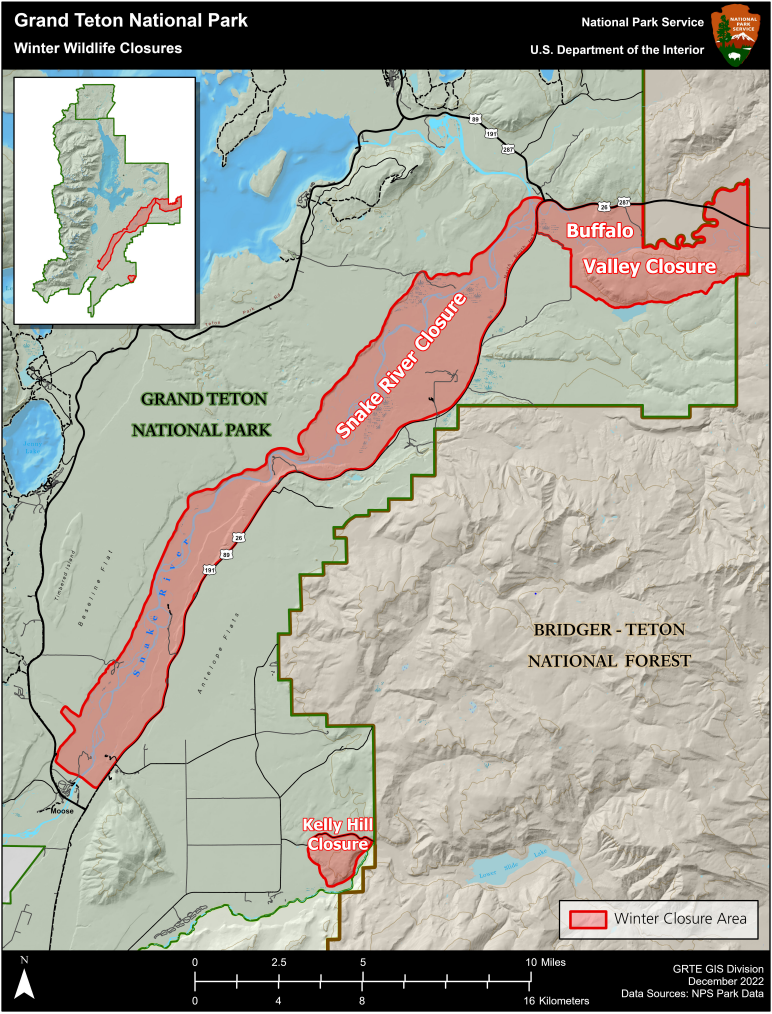
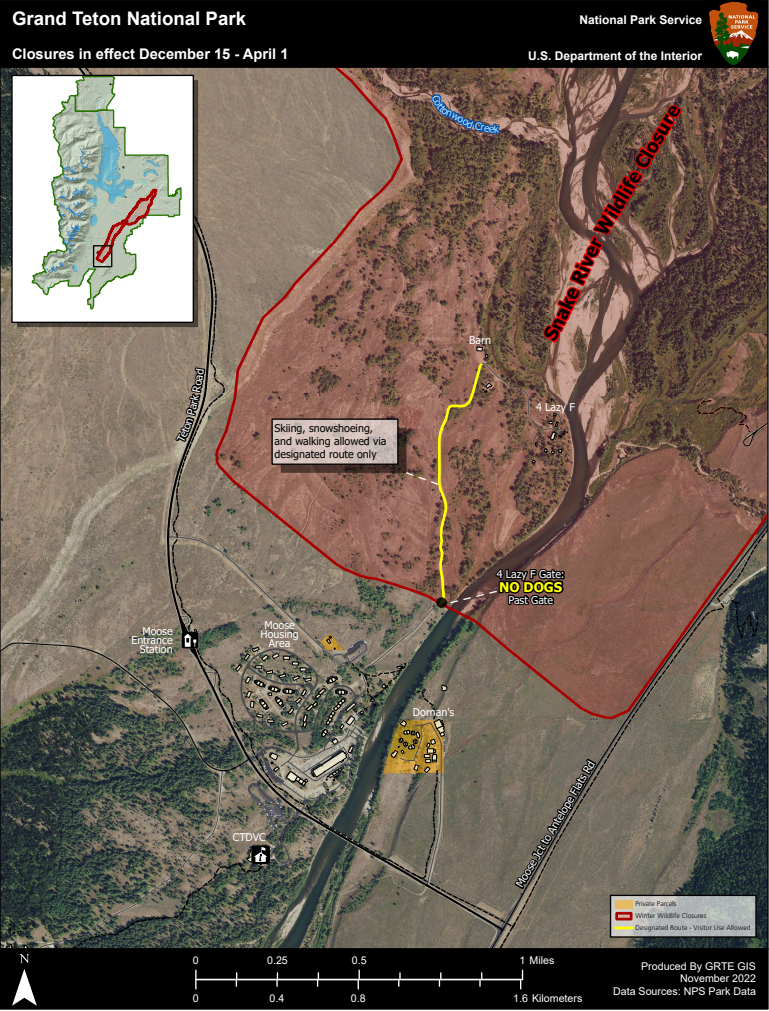
| December | Winter midge possibilities, often predominantly subsurface fishing. | Check the park's winter closure map before choosing a route or bank. |
This calendar combines the regional Grand Teton hatch chart, its trip-timing guidance and dated Snake observations. The regional chart covers multiple waters: its Callibaetis and salmonfly entries are not proof of those hatches in every reach on this page.
Teton Fly Fishing's dated reports support the 2026 spring transition and August activity above. May 6 fishing gave way to runoff by May 16. Its separate winter-trip account supports slower-water nymphs and occasional midge rises.
For summer context, WorldCast's local overview and seasonal description places the main post-runoff dry-fly period after the river clears, with weather and snowpack changing the timing. A useful calendar leaves room for that variation. It does not turn June 15 or July 1 into a promise.
A small selection from the actual catalog
| Exact Single | What it contributes |
|---|---|
| Elk Hair Caddis, Brown #16 | An adult-caddis choice when its size and body color fit the naturals. |
| Elk Hair Caddis, Olive #18 | A smaller carried adult-caddis option; not a caddis pupa. |
| PMD, Pale Yellow #16 | An adult mayfly option for the appropriate observed PMD feeding. |
| Blue Wing Olive - BWO #18 | A carried BWO size; it does not cover every smaller fall olive. |
| Stimulator - Orange #8 | A large searching attractor when that profile fits the water. |
| Stimulator - Yellow #8 | Another large attractor; not a small Yellow Sally imitation. |
| Pheasant Tail - Bead Head #16 | A subsurface nymph option, distinct from a Parachute Pheasant Tail dry. |
| Hare's Ear #18 | A general nymph profile, with depth/presentation still to be established. |
| Woolly Bugger - Bead Head, Olive #10 | A regular bugger for a controlled streamer test, not a guarantee of a fixed sink rate. |
The exact size matters more than whether a shopping list contains a familiar family name. Our Stimulators are #8. They cannot fill a #16 small-stonefly requirement merely because both are yellow or both are labeled stonefly patterns. Likewise, our Pheasant Tail - Bead Head is a nymph; it is not the parachute dry named in a local report.
The catalog does not provide a verified exact Hecuba or mahogany-dun match for this page. If trout are rejecting alternatives during that feeding, ask a local shop for the actual stage and size rather than continuing to substitute an unrelated store product. If a BWO hatch calls for a size smaller than the carried adult, that is also a real gap.
When adult caddis are the actual food, compare the carried Elk Hair Caddis colors and sizes: Brown #12/#14/#16, Olive #16/#18, Black #14/#16/#18 and tan #14/#18. Check the insect and stage before choosing. These adult dries do not cover smaller #20–22 caddis recommendations or replace a larva or pupa. The caddis lesson explains the comparison.
Dated conditions and what to check next
Sources reviewed September 19, 2026. The opened WorldCast/Orvis report is dated September 15. It describes falling Jackson Lake releases, improved temperatures with cooler weather, and variable clarity from rain/tributary influence. Its listed approaches include dry-dropper, nymphing and streamers. Read the dated report.
An earlier Snake River Angler report dated September 5, posted September 6, mentions late-summer stones and arriving Hecubas/mahoganies while noting the Snake remained high. This is corroborating seasonal context, not a same-day channel-by-channel assessment.
Our starting decision: check the specific reach first. Where small mayflies are actually being taken, compare the observed insect with the carried BWO #18 or PMD #16. With no surface feeding, a Pheasant Tail - Bead Head #16 or a retrieved Olive Woolly Bugger - Bead Head #10 offers a different presentation to test. These are our catalog-based suggestions, not claims that the reporting guides used these exact store variants.
Do not choose Elk Hair Caddis solely because this is September. Choose it when adult caddis are part of the observed feeding. If larger autumn mayflies dominate, an adult caddis is a different profile, not an automatic match.
For water data, use USGS near Moran, 13011000 near the dam and USGS at Moose, 13013650 farther downstream. No current numeric flow or reach-wide temperature is asserted here. The stations represent different points on the river.
The NPS conditions page, updated September 19, lists a closure on the Moose-Wilson Road segment between the Laurance S. Rockefeller Preserve and Moose. Check your driving route; that road notice does not establish that the southern Wilson ramp or the river is closed. Review the live notice before travel.
Read the lane before changing flies
Begin with a part of the river you can fish with control. Watch a seam or softer edge long enough to distinguish repeated feeding from an isolated disturbance. A fish that rises repeatedly in one lane gives you a useful target; a broad expanse of unobserved water calls for a deliberate search.
Make the first drift simple enough to judge. If the fly accelerates across the lane, the result says little about whether the pattern is right. Shorten the cast, change the angle or position the line so the fly travels more naturally. Repeat the same useful test before changing size and color together.
With a nymph, think about the route into the fish's lane. A cast that lands beside the target may not leave time to reach the target depth. Move the entry point upstream or adjust the depth/weight system in controlled steps. A deeper setup is only useful if it can be cast and managed cleanly without dragging continuously on the bottom.
A dry-dropper setup is one option when its actual load is suitable, not a requirement for every braid. A dry that repeatedly submerges under the nymph is failing as a useful surface signal. The beginner dry-dropper lesson explains that check. A single dry or a separate indicator setup may be the clearer presentation for the situation.
If you switch to a bugger, pick a defined swing or retrieve path and vary one thing at a time. Test a shorter movement or a pause before assuming you need a new color. The Woolly Bugger retrieve lesson gives the three controlled retrieve comparisons. None of those methods supplies access permission or makes a strong channel appropriate to wade.
Access and current rules
Separate the upper park reach from Moose–Wilson
Use the NPS river-section guide to distinguish dam–Pacific Creek, Pacific Creek–Deadmans Bar, Deadmans Bar–Moose and Moose–Wilson. The braided lower sections include changing channels and logjams. A mapped access point is not a recommendation to run that stretch without appropriate experience.
Moose–Wilson crosses a management/ownership transition; it is not all park land. Consult Teton County's river map for public land and easements, and its boat-ramp information for Wilson. Do not assume floating past private property gives permission to stand, anchor or leave the boat there. Do not use Utah access rules on this Wyoming river.
Winter access is a real restriction
The 2026 park compendium closes a mapped portion of the Snake floodplain and river from December 15 to April 1. Review the closure map and Moose detail. The winter rows above apply only to places you may lawfully access; a general winter fishing report does not reopen the closed area. Verify reopening and the exact route before making plans.
Fishing rules and boat permission are separate
Check the 2026 Area 1 rules through Wyoming Game and Fish, with the current booklet available from its publication provider. Different provisions apply near the dam and downstream of the gauging station toward Wilson Bridge. The booklet requires cutthroat release in that downstream reach from November 1 through March 31. Do not turn that release rule into a statement that every winter bank or channel is open.
For a vessel, read Grand Teton's current boating page for park permits and Wyoming AIS requirements. Motors and float tubes are prohibited on the park's Snake. A fishing license does not replace the required boat permission. Check the actual launch and route, not just the availability of a fishing date on a guide's calendar.
Return to Rivers, Lakes & Seasons for the Utah guides. This page adds one Wyoming destination; it does not suggest that one calendar, one license or one box covers all of them.